
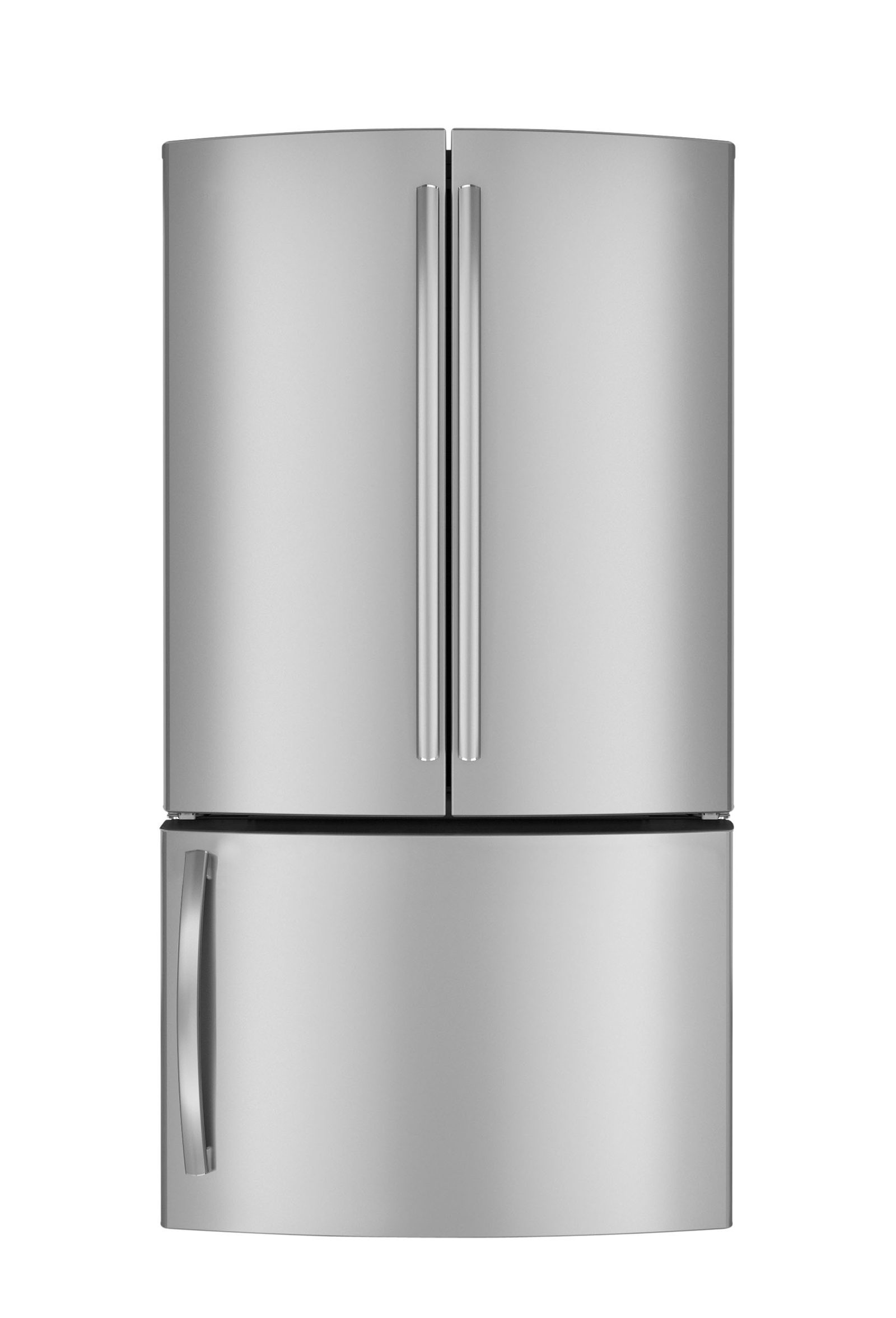
Wine spoils in silence
Wine cooler repairs in Gauteng
A failing wine cooler doesn't beep or leak, it just quietly drifts off temperature while the bottles inside age before their time. We repair single and dual-zone wine coolers at your home across Gauteng, compressor and thermoelectric alike, usually in one visit. We repair every major brand, including Samsung, LG, Defy, Bosch and Hisense, with same-day call-outs across Johannesburg, Fourways, Kempton Park and the wider Gauteng metro.
The fault that doesn't announce itself
When a fridge breaks you smell it. When a wine cooler breaks, nobody knows for months
A broken kitchen fridge tells on itself by breakfast. The milk is warm, the butter is soft, and somebody's standing in the doorway making a face. A wine cooler gives you none of that. It can slide three or four degrees off target and carry on humming, lit and pretty, looking exactly as it did the day you bought it. The bottles don't complain. They just age faster than they should, until one evening you open something you'd been saving and it tastes tired and flat, and by then the cause has been hiding in plain sight on your counter for half a year.
That's what makes wine cooler faults different to almost everything else we repair. The cost isn't spoiled groceries you replace on the next shop. It's bottles you bought years ago and can't buy again at the same price, cooked slowly by a machine that never looked broken. Plenty of Joburg collectors lay down good Cape reds with the patience to let them come round in their own time, and a drifting cooler quietly cancels that patience. So call us about a cooler that merely seems a little off; by the time the wine tells you, the cooler has been wrong for a long while.
What the machine is actually for
Four things wine storage demands, and how the box delivers each
A wine cooler isn't a small fridge with a fancier door. Drinks fridges chase one goal: cold, the colder the better. A wine cooler chases four at once and balances them against each other, which is why these units fail in ways an ordinary fridge never does, and why the fix is rarely "just add gas."
- A stable 12 to 18 degrees. Not freezing, not racing up and down, held steady. The cooler runs a gentler cycle than a fridge so it doesn't overshoot cold, and a good control board nudges the compressor in small corrections rather than big lurches. When the thermostat or sensor drifts, that steadiness is the first thing you lose.
- Gentle humidity. Bone-dry air shrinks a natural cork until it lets air past; a cork needs a little moisture to stay swollen and sealed. Better coolers manage this with a slower evaporator and sometimes a small water reservoir, so the inside never goes desert-dry the way a frost-free fridge does. Lose that and your long-keepers suffer first.
- Minimal vibration. Wine rewards stillness. Sediment should settle and stay settled, and maturing happens best when nothing is shaking the bottle. The cooler is built with soft compressor mounts and balanced fans to keep the cabinet calm, which is why new vibration is such a reliable sign that a mount or bearing has worn out.
- Protection from light. Ultraviolet light tires wine the way sun tires anything, breaking down the compounds that give it life. That smoked or tinted glass door isn't a styling choice; it's a UV filter. When the door seal perishes or the glass coating degrades, the cabinet loses both its light shield and its grip on temperature at once.
Two climates, one box
How a dual-zone cooler keeps reds and whites apart
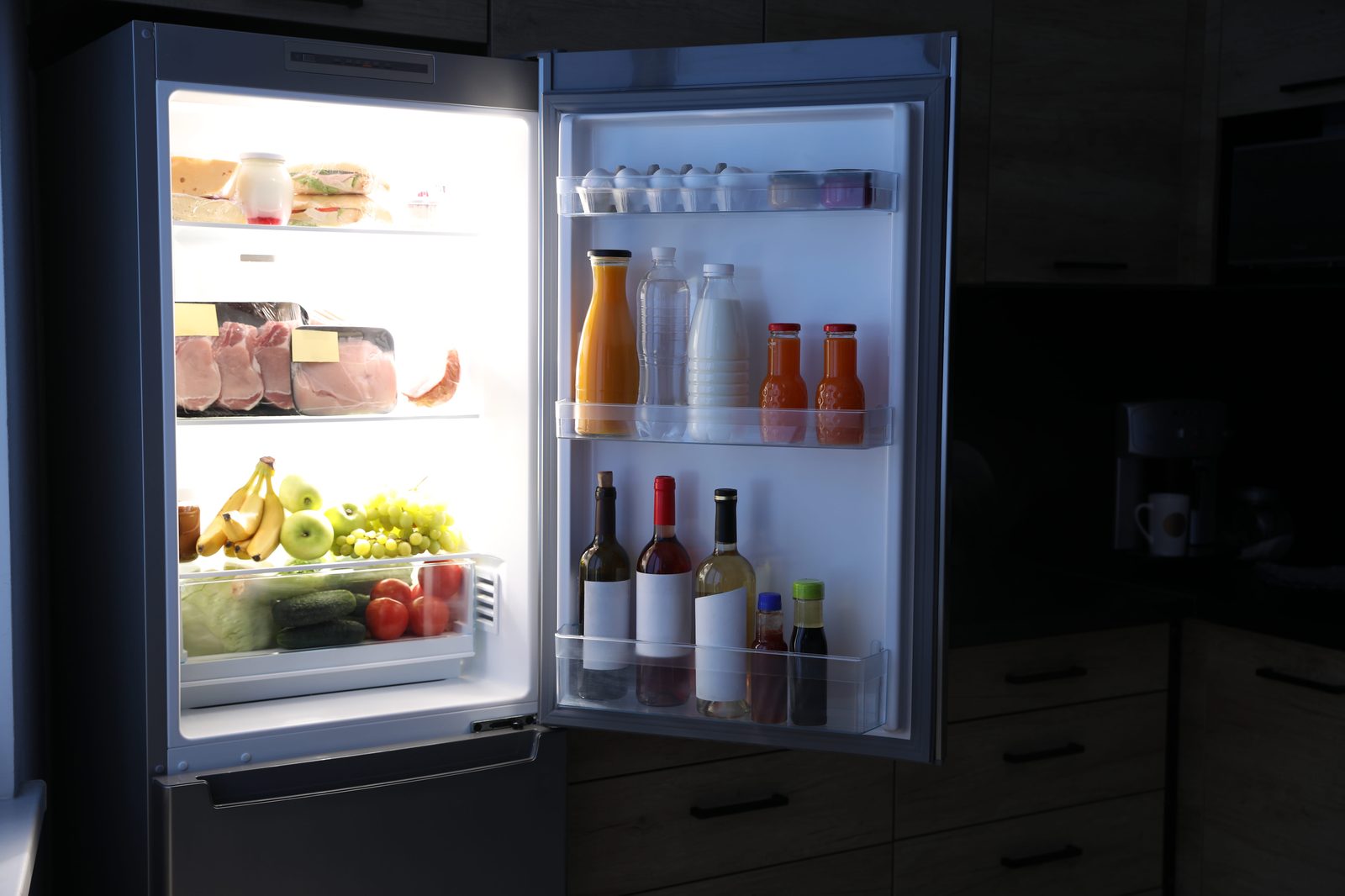
A dual-zone cooler has to hold two different temperatures in one insulated cabinet, say reds resting near 16 degrees up top and whites chilling closer to 7 below. It pulls that off with a divider between the compartments and a way of metering cold air to each: typically a damper that feeds the warmer zone less, a second fan or vent serving one compartment, and a control board reading a separate sensor in each. One cooling circuit, split two ways. Elegant when it works, a nuisance when one part of it doesn't.
The faults that belong to dual-zone units almost all live at that divide. When a damper sticks, cold air pours into a zone meant to stay warmer and your reds end up chilled like the whites. When the second fan tires, the far zone can't hold cold properly and the two readings drift apart. When a zone sensor goes lazy, the board chases a temperature that isn't real and overcools or undercools blindly. And sometimes the divide simply collapses, the gap you set quietly closes until the cabinet is, in effect, a single-zone cooler wearing a two-zone badge. None of that is the end of the machine; it's usually one specific part on the boundary, the kind of fault that pays to diagnose properly rather than guess at.
Two different machines under the glass
Compressor or thermoelectric, and why it decides what's worth fixing
Open the back of any wine cooler and you're looking at one of two completely different ways of making cold, with very different outlooks for a collection. A compressor unit cools the way a normal fridge does, pumping refrigerant through a sealed circuit. It can pull a cabinet well down even when the room is hot, which on the Highveld matters, and holds a low temperature against a warm summer kitchen without strain. The trade is that a compressor runs, and running means a little vibration and hum, the very things a wine cooler is then built to damp out with soft mounts and balanced fans. For storing reds long term in a Gauteng house, compressor units are the more capable choice, and genuinely serviceable: fans, mounts, thermostats, relays and gas leaks are all repairable line items rather than reasons to scrap the cabinet.
A thermoelectric cooler makes cold with no compressor at all. A Peltier element, a solid-state plate that turns one side cold and the other hot when current flows, does the work, with a fan to carry the heat away. The reward is near silence and almost no vibration, lovely for wine and a quiet dining room. The catch is grip: a Peltier can only pull the inside so far below the room, so on a hot December afternoon in an un-airconditioned house it can lose the fight and drift up with the room. Repairability splits hard too. On smaller, value units the Peltier stack, fan and board are often one bonded assembly priced close to a new cooler, so a dead element can be the end of the road, though a failed fan or controller is still worth fixing. Premium thermoelectric cabinets are a different story: serviceable parts and a build worth saving. The honest answer starts with which of these two machines you actually own, and we'll tell you that before we quote a cent.
Sound familiar?
The eight wine cooler faults we're called out for most
- A slow, standing temperature drift. The set point says 14 but the bottles feel warmer than they should. A tired thermostat, a sensor reading the room instead of the cabinet, sometimes early gas loss on a compressor unit. The quietest fault and the most expensive to ignore.
- Zones that won't hold their gap. The two compartments creep toward the same temperature, or the warmer zone goes cold. A stuck damper, a failing second fan, or a board that's lost its grip on one side.
- Condensation, and where it sits. A little mist on the inside of the glass after a hot day is the unit working; persistent beading on the bottles means humidity has run away from you, while water running down the inner door points to a perished seal letting warm room air in.
- New vibration or buzzing. A worn fan bearing, or compressor mounts hardened and split by years of heat. Bad for the wine, worse for the machine if the bearing seizes.
- A door seal that's given up. Perished gasket and degraded UV glass let warm light and warm air in together, so temperature wanders and the light shield fails at the same time.
- Control panel gone dark. Blank displays, buttons that don't respond, or a panel showing a temperature the cabinet plainly isn't holding, driver boards and touch panels fail on their own timeline, often after a load-shedding surge.
- Icing inside a compressor unit. Frost building on the rear evaporator, choking airflow until the cabinet warms even as the machine runs flat out. A defrost or drainage fault, or a door not sealing.
- Humidity at the extremes. Air gone bone-dry and shrinking the corks on your long-keepers, or so damp the labels peel and lift. Either way the unit has lost its grip on the moisture it's meant to manage gently.
If the cooler has stopped cooling altogether rather than merely drifting, our guide to a fridge that's not cooling walks through the first checks, then call us before the bottles warm through.
Diagnose the room, not just the box
Is it the cooler, or where you've put it?
Half the wine coolers we're called to aren't broken, they're being asked to do the impossible. Every cooler has a rated ambient range, the temperature band the room around it must stay within for it to hold its set point. Put a unit somewhere hotter than its rating and even a perfectly healthy machine will fall behind, especially the thermoelectric kind with little grip to spare.
The classic Gauteng culprit is the garage. A closed garage on a Highveld summer afternoon can sit well above 30 degrees, and a wine cooler parked there runs flat out all day, drifting up regardless, then chasing back down overnight, the exact temperature tide that tires both wine and machine. A sunny west-facing window does the same on a smaller scale. So does jamming a freestanding unit into a tight cabinet with no air gap, where the heat it sheds gets sucked straight back in. Built-in coolers vent at the front for that reason. Before we condemn any part, we check the room, often the cure is moving the cooler a metre to the left, not opening it up at all.
How a wine cooler repair runs
A repair that respects what's on the shelves
Booking is by phone, WhatsApp or the form at the top, most Gauteng homes see a technician the same day. We work at your house, because a cooler full of bottles isn't something to cart across town.
We log the temperatures first
Before touching a part, we read what each zone is actually holding against what it's set to, and check it against the room's ambient. That gap tells us whether we're chasing a faulty part or a placement problem, and gives us a baseline to prove the fix.
We trace the fault to its source
Sensors, thermostat, fans, damper, door seal, control board, compressor and gas circuit each get checked in turn with proper instruments. Drift on a compressor unit might be a sensor or a slow leak; on a thermoelectric one, a tired fan or the Peltier itself. We find the cause, not the symptom, adding gas to a unit with a leak fixes nothing until the leak is found.
We talk to you about the bottles
If the repair means the cooler will be off or open for a while, we'll advise on the spot, usually keep the door shut and the bottles inside on the thermal mass, or move them somewhere cool, dark and stable for the afternoon. A short, gentle interruption is no drama; it's daily swings over months that do the damage.
We quote before we work, then prove the fix
You get the call-out fee upfront and a written quote before anything is replaced. We repair from van stock where we can, and before we leave we confirm each zone is holding its set point, backed by a written guarantee.
Brands we service in the field
Specialist wine cooler brands trip people up because the badge feels exotic, but underneath the cabinet the refrigeration logic is the same one we've worked with for fifteen years. A Vintec or a dedicated AEG wine cabinet uses specialist parts, particular sensors, dampers and racking, so we identify the unit and source the right components rather than bodging in a fridge spare. Smeg's wine cabinets carry the retro styling but are conventional underneath. Bosch and Hisense units sit at the sensible, serviceable end with parts that are easy to come by. Where we're plain-spoken is the premium thermoelectric cabinets: lovely, quiet, and worth saving when a fan or board fails, but if the Peltier stack itself is finished on a smaller unit, we'll tell you the repair isn't worth more than the machine.
Keeping it steady between visits
Five small habits that keep a cooler honest
Wine coolers ask little of you, but the little they ask matters. Vacuum or brush the vents and condenser area every couple of months, a built-in unit breathing through a front grille pulls in dust, and a clogged grille is the single most common reason a healthy cooler starts running hot. Check the cabinet is dead level; an off-level unit drains poorly, vibrates more, and stresses the seal on one side. Wipe the gasket with warm soapy water now and then so it stays supple, and feel for any spot gone hard or cracked. Don't over-pack the racks so tight that air can't move between the bottles, or the back row chills while the front stays warm. And if your cooler has a carbon filter fitted, many premium cabinets do, change it on the maker's schedule; it's a cheap part that's easy to forget until the inside smells stale.
Why hand it to us
We'd rather tell you the truth than sell you a repair
After more than fifteen years on refrigeration across this province, we've learned that the most valuable thing we can give a wine cooler owner is an honest verdict. Some of these units are absolutely worth fixing, a compressor cabinet with a tired fan or a leaking joint has years left in it for the price of a part. Some, frankly, aren't, and we'll say so rather than charge you to chase a dead Peltier stack on a cooler that costs less to replace. That candour is why homeowners from Bryanston to Centurion keep our number.
You'll get a technician who reads the temperatures before reaching for a spanner, a quote before any work begins, and a cooler proven to hold its set point before we pack up. We work on the whole residential range, so the same team that sorts your wine cabinet can handle the rest of the kitchen, see our wider residential fridge repair service for everything else with a plug and a cold side.
Straight answers
Wine cooler questions we get asked at the door
My wine cooler is reading a few degrees off. How much does that really matter?
It depends almost entirely on how long it lasts. A bottle that sits at 18 degrees instead of 14 for an afternoon is fine, wine is more forgiving than the internet suggests. The damage comes from duration and swing. A cooler that's quietly drifted to 20 degrees and stayed there for three months is aging everything inside ahead of its time, flattening the fruit. Worse is a unit that lurches warm and cold on a daily cycle, because expansion and contraction tires the corks and can let air creep in. A degree or two now and then is nothing. A standing drift you only noticed because a bottle tasted tired is worth a call.
Should both zones of my dual-zone wine fridge ever read the same temperature?
Sometimes, and that on its own is not a fault. If you've set both zones close together, or the room is cool and both are coasting, the two readings can legitimately sit almost on top of each other. The warning sign is when you've asked for a real gap, say reds at 16 and whites at 8, and the cooler simply can't open one up. That usually points to a failed divider damper, a struggling second fan, or a control board that's lost command of one zone. A dual-zone unit collapsed into a single climate is still cooling, but no longer doing the job you paid for, and the fix is usually a specific part rather than a whole machine.
My wine cooler has started vibrating. Does that actually harm the wine?
A faint hum is harmless. Steady, buzzing vibration is worth taking seriously, both for the wine and the machine. Constant agitation keeps the sediment in older bottles stirred up so it never settles, and over months it can disturb the slow chemistry good wine relies on. More urgently, new vibration is almost always a mechanical complaint, a worn fan bearing, compressor mounts hardened and cracked by years of Highveld heat, or a cabinet that's shifted off level. Left alone, a failing bearing eventually seizes and takes the cooling with it. So the vibration is rarely the real problem; it's the machine telling you a part is on its way out.
Is a thermoelectric wine fridge worth repairing, or should I replace it?
Be honest about which kind you own first. Thermoelectric coolers use a solid-state Peltier element instead of a compressor, and on smaller, cheaper units the element, fan and board are often bonded into one assembly that costs nearly as much as a new cooler. On those, a fan or controller fault is worth fixing, but a dead Peltier stack frequently is not. The picture changes on premium cabinets, where parts are serviceable and the build is worth saving. We'll open it up, tell you which camp yours falls into, and quote before any work, we'd rather lose the job than talk you into a repair that costs more than the machine.
Load-shedding makes me nervous about my wine collection. What actually helps?
A well-stocked, well-sealed cooler is more resilient than you think, a cabinet full of bottles is full of thermal mass, and through a normal two-hour slot it barely moves if you keep the door shut. The real enemy is the daily swing, not the single outage: a cooler that warms during the cut, races to recover when power returns, then does it again tomorrow is putting your wine through a slow temperature tide. Keep the unit full and the door closed, and make sure the seal and fans are healthy so recovery is quick. If your collection warrants it, a small UPS or inverter sized for the cooler smooths the swings out entirely. If recovery after a cut has gone slow or noisy, that's a fault, not load-shedding.
Related repairs around the kitchen
Bar fridge repairs
The drinks fridge that just chases cold.
Built-in fridge repairs
Under-counter installs that vent at the front.
Integrated fridge repairs
Cabinet-front units hidden in the joinery.
Mini fridge repairs
Compact units, thermoelectric and compressor.
All home repairs
One team for every cold appliance.
A mini fridge shares the same thermoelectric-versus-compressor question your wine cooler does, if you're weighing up a small unit, our mini fridge repairs page covers that side of it. Otherwise, jump straight to booking a repair.
Brands, faults & areas
Wine Cooler Repairs: the brands we repair and the Gauteng areas we cover
Fridge brands we repair
We service all the major makes sold in South Africa, from everyday models to premium, electronically controlled units: Samsung, LG, Defy, Bosch, Whirlpool, Hisense, Kelvinator, KIC, AEG, Smeg and Electrolux.
Common fridge & freezer faults we fix
Whatever the symptom, we diagnose it with proper instruments before we quote. The faults below are the ones we are called out for most.
Areas we serve across Gauteng
Same-day call-outs across Johannesburg, Pretoria and the wider metro, from Sandton and Midrand to the East Rand. Find your area below.